
Simple Ways to Reduce Food Waste at Home
Food waste is a common household problem, but small changes can make a meaningful difference. Food may be wasted because too much is purchased, leftovers are forgotten, or fresh ingredients are not stored properly. With a little planning and a few simple habits, you can use more of the food you buy, save money, and make everyday meals more efficient.
Plan Before You Shop
One of the easiest ways to reduce food waste is to avoid buying more than you can use. A short planning routine before each shopping trip can help you make better choices.
Check what you already have
Look through your refrigerator, freezer, and pantry before making a grocery list. Check for ingredients that need to be used soon, such as fresh produce, dairy products, or opened packages. Building meals around these foods can prevent them from being forgotten.
You do not need to take a complete inventory every time. A quick look at the shelves and refrigerator door is often enough to remind you what is available.
Plan a few flexible meals
Instead of planning every meal in detail, choose several meals that share ingredients. For example, a bunch of spinach could be used in an omelet, pasta dish, and smoothie. Roasted vegetables can be served as a side dish one day and added to a grain bowl the next.
Flexible planning also makes it easier to adjust when plans change. Leave space for leftovers, takeout, or a simple meal made from items already at home.
Write a realistic shopping list
Base your list on the number of people in your household, your schedule, and the meals you expect to prepare. Be careful with bulk deals and large packages unless you know the food will be used or can be frozen.
A list can also reduce impulse purchases. If you see an attractive deal, ask yourself whether you have a plan for using the item before it spoils.
Store Food the Right Way
Proper storage can help food stay fresh longer. Different foods have different storage needs, so a few basic guidelines are useful.
Keep the refrigerator organized
Store foods where they are most likely to stay fresh. Keep items that need to be used soon in a visible area, such as a front shelf or a designated “eat first” container. This simple system can prevent leftovers and produce from being overlooked.
Avoid packing the refrigerator too tightly. Cold air needs to circulate, and an overcrowded refrigerator can make it harder to see what you have.
Store produce carefully
Some fruits release natural gases that can speed up ripening in nearby produce. Keep ripe bananas, apples, and pears separate from delicate vegetables when possible. Leafy greens often last longer when wrapped loosely in a towel or stored in a container that allows some airflow.
Wait to wash certain berries, herbs, and other delicate produce until you are ready to use them. Extra moisture can cause them to spoil more quickly.
Use airtight containers
Place opened packages and leftovers in clean, sealed containers. Add a label with the name and date, especially if you are storing several similar foods. Clear containers make it easier to remember what is available.
Keep older items toward the front of the refrigerator and newer items behind them. This “first in, first out” approach encourages you to use older food first.
Understand Food Dates
Food date labels can be confusing. In many cases, a quality date is not the same as a strict safety deadline. Some foods may still be suitable after the printed date if they have been stored properly and show no signs of spoilage.
Use your senses when checking food. Look for unusual mold, a strong unpleasant smell, major texture changes, or damaged packaging. When in doubt, it is safer to discard the food. Do not taste food to decide whether it has spoiled.
For packaged foods, learn what common labels mean in your area. If a product is still good but you do not expect to use it soon, freeze it when appropriate.
Make Leftovers Easy to Use
Leftovers are valuable ingredients, but they are more likely to be wasted when they are hard to see or inconvenient to reheat.
Store single portions
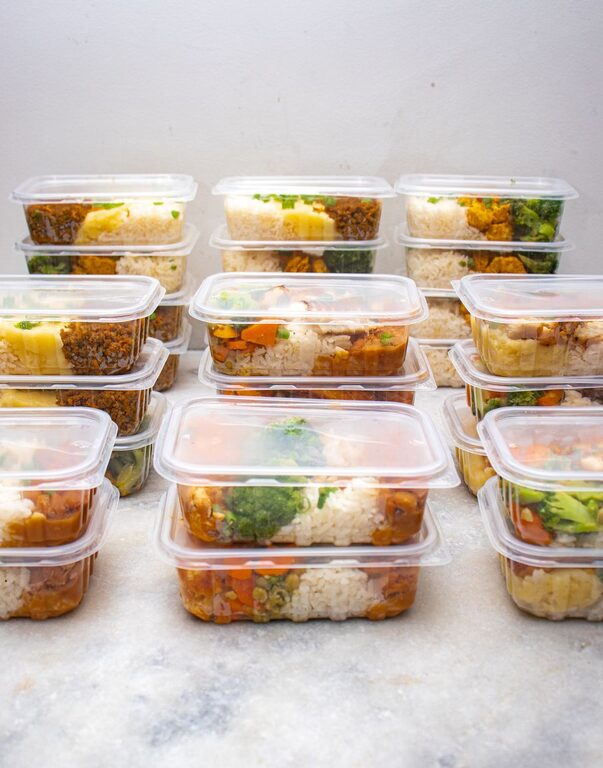
Divide large amounts of food into smaller containers before storing them. Individual portions are easier to pack for lunch and quicker to reheat. They also reduce the chance that an entire container will be repeatedly warmed and cooled.
Give leftovers a purpose
When storing leftovers, decide when and how you will use them. Cooked vegetables might become a filling for tacos, a topping for toast, or part of a soup. Extra rice can be used in fried rice, grain bowls, or stuffed vegetables.
Keep a list on the refrigerator of meals that need to be eaten soon. Even a simple note such as “pasta, two portions” can help prevent food from being forgotten.
Schedule a leftover meal
Choose one day each week to serve leftovers or combine small amounts of food into a new meal. This can be a relaxed “clean-out-the-fridge” dinner. Offer several ingredients and let everyone build a bowl, sandwich, wrap, or plate.
Use More of Each Ingredient
Many foods have edible parts that are often discarded. Finding new uses for them can reduce waste and add variety to your meals.
– Use vegetable stems in soups, sauces, or stir-fries.
– Add soft fruit to smoothies, oatmeal, or baked goods.
– Turn stale bread into breadcrumbs, croutons, or toast toppings.
– Save herb stems to flavor stocks, sauces, or marinades.
– Use citrus zest to add flavor to dressings, desserts, and cooked dishes.
– Cook slightly wilted greens into eggs, pasta, or soup.
Before using an ingredient, make sure the part is normally edible and has been washed properly. Some peels, stems, and leaves are not suitable for every recipe, so use reliable cooking guidance when needed.
Freeze Food Before It Spoils
Freezing is one of the most useful ways to extend the life of food. Many fruits, vegetables, breads, cooked grains, soups, and sauces freeze well.
Freeze food in portions that match your typical needs. Remove excess air from freezer bags, use airtight containers, and label each item with its name and date. Place newer items behind older ones so frozen food does not stay hidden for too long.
Some fresh foods may change texture after freezing, but they can still work well in cooked dishes, smoothies, soups, and sauces. For example, soft berries are excellent in smoothies, while frozen chopped vegetables can be added to a quick stir-fry.
Measure Portions Carefully
Serving too much food can lead to unfinished plates and unnecessary waste. Start with smaller portions and allow people to take more if they are still hungry. This is especially helpful when serving children or preparing a meal for guests.
When cooking, follow portion guidelines until you become familiar with how much your household usually eats. If you make too much, store the extra food promptly and plan to use it soon.
Compost What You Cannot Use
Even with careful planning, some food scraps cannot be eaten. Composting can keep many of these scraps out of the trash and turn them into material that supports soil health.
Depending on your local program, compostable items may include fruit and vegetable scraps, coffee grounds, tea leaves, eggshells, and yard materials. Check local guidelines because accepted items vary. Keep a small container near the food preparation area to make collecting scraps convenient.
Reducing food waste starts with awareness rather than perfection. Plan realistic meals, store ingredients carefully, use leftovers creatively, and freeze food when needed. These habits can make your groceries last longer and help your household waste less, one meal at a time.
