
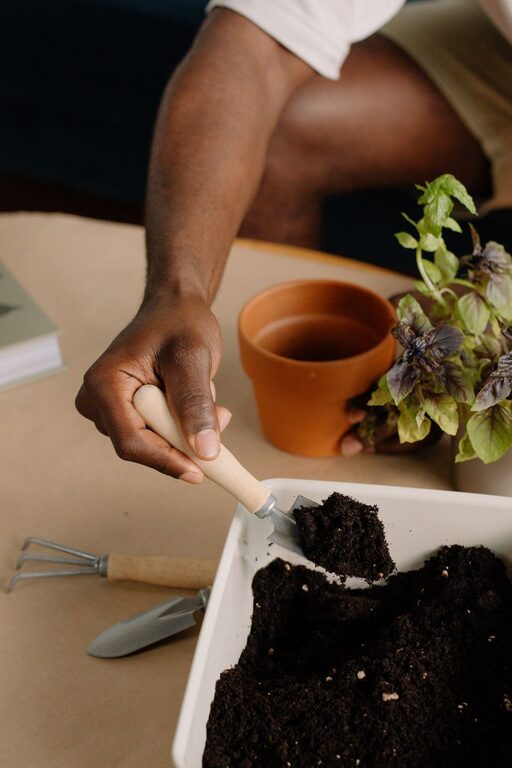
How to Start a Small Herb Garden Indoors
Growing herbs indoors is a simple way to enjoy fresh flavor, add greenery to your home, and learn the basics of plant care. A small indoor herb garden does not require a large space or expensive equipment. With a sunny windowsill, a few containers, and regular attention, you can grow useful herbs throughout the year.
Choose the Right Location
The first step is finding a suitable place for your herbs. Most culinary herbs need several hours of bright light each day, so a south- or west-facing window is often a good choice. An east-facing window may also work well, especially for herbs that prefer gentler morning light.
Choose a location that is:
– Bright and free from heavy shade
– Away from cold drafts and heating vents
– Easy to reach for watering and harvesting
– Large enough to hold containers safely
– Close to a water source, if possible
A kitchen windowsill is convenient, but it is not the only option. You can also use a small shelf, plant stand, or countertop near a bright window. Make sure the area has enough airflow and will not be exposed to sudden temperature changes.
Using a Grow Light
If your home does not receive enough natural light, a small LED grow light can help. Place the light above the plants and follow the manufacturer’s instructions for distance and timing. Many indoor gardeners use grow lights for about 10 to 14 hours per day, with a period of darkness at night.
A timer can make this routine easier. If plants become tall, thin, or pale, they may need more light.
Select Beginner-Friendly Herbs
Start with herbs that grow well in containers and are useful in everyday cooking. Choosing just two or three varieties can make your first garden easier to manage.
Good options for beginners include:
– Basil
– Chives
– Parsley
– Mint
– Oregano
– Thyme
– Cilantro
– Rosemary
Basil grows quickly and enjoys bright light and regular watering. Chives are compact and can tolerate a range of indoor conditions. Parsley grows more slowly but provides a steady supply of fresh leaves once established.
Mint is vigorous and can spread quickly, so it is best planted in its own container. Rosemary and thyme prefer slightly drier soil and may need more light than some other herbs. Cilantro grows quickly but may produce flowers sooner than expected, especially in warm conditions.
Pick Suitable Containers
Herbs need containers with drainage holes. These holes allow excess water to escape and help protect the roots from staying too wet. Decorative pots without drainage can still be used as outer covers, but place the herb in a smaller container with holes inside.
Choose pots that are:
– At least 4 to 6 inches wide for small herbs
– Deep enough to support healthy roots
– Made from plastic, ceramic, or terracotta
– Large enough for the plant’s expected growth
– Equipped with drainage holes
Place a saucer or tray under each pot to catch water. Empty the tray after watering so the container does not sit in standing water.
You can begin with small pots and move the herbs into larger containers as they grow. Avoid putting many herbs into one container unless they have similar light and watering needs.
Use Quality Potting Mix
Regular garden soil is often too dense for indoor containers. It may hold too much moisture and can make it harder for roots to receive air. Instead, use a packaged potting mix made for containers.
A basic indoor herb mix should be:
– Light and loose
– Well draining
– Free of large pieces of wood
– Clean and suitable for container plants
Fill the container without packing the soil tightly. Leave about an inch of space at the top to make watering easier. If you are reusing a container, wash it first to remove old soil and plant debris.
Plant Seeds or Start With Young Plants
You can grow herbs from seeds or purchase small starter plants. Seeds are often less expensive and offer more variety, but starter plants provide faster results.
Starting From Seeds
Read the seed packet for planting depth and spacing instructions. Some seeds need light to germinate and should be placed only lightly under the soil. Others should be covered more deeply.
Keep the soil evenly moist while seeds are germinating, but avoid soaking it. Once seedlings appear, give them strong light and thin them if they are crowded. Removing weaker seedlings gives the remaining plants more room to grow.
Using Starter Plants
Starter plants are a convenient choice for beginners. Look for plants with healthy green leaves, sturdy stems, and no visible pests. Avoid plants with wilted foliage, damaged stems, or soil that smells unpleasant.
After bringing a plant home, place it in a container only slightly larger than its original pot. A very large container can hold excess moisture around the roots.
Learn a Simple Watering Routine
Overwatering is one of the most common problems with indoor herbs. Rather than watering on a fixed schedule, check the soil first. Press a finger about an inch into the soil. If it feels dry at that depth, the plant may need water.
When watering:
- Pour water slowly over the soil.
- Continue until a small amount drains from the bottom.
- Let the container drain fully.
- Empty any water collected in the saucer.
Different herbs have different preferences. Basil and parsley generally prefer evenly moist soil, while rosemary, thyme, and oregano like the soil to dry slightly between waterings. Indoor air can be dry, especially during colder months, so check your plants regularly.
Yellow leaves, soft stems, or a musty smell may indicate too much water. Dry, brittle leaves and wilted stems may mean the plant needs more water, although extreme heat or root problems can cause similar symptoms.
Provide Regular Care
Healthy herbs benefit from a few simple maintenance tasks. Rotate containers every few days so all sides of the plant receive light. This helps prevent uneven growth.
Remove dead or damaged leaves as soon as you notice them. Trim herbs regularly to encourage fuller growth, especially basil and mint. When harvesting, use clean scissors and cut just above a set of leaves. Avoid removing more than one-third of the plant at a time.
Most herbs do not need frequent feeding when planted in fresh potting mix. If growth slows after several weeks, use a diluted, balanced fertilizer according to the product label. Avoid applying more fertilizer than recommended, as this can damage the roots.
Watch for Common Problems
Indoor herbs can occasionally attract pests such as small flies, aphids, or spider mites. Check the undersides of leaves and around stems when watering. If you spot a problem, isolate the affected plant and gently wipe the leaves with a damp cloth. Remove badly damaged leaves and continue monitoring the plant.
Poor growth may also result from:
– Not enough light
– Containers that are too small
– Soil that stays wet
– Low humidity
– Crowded plants
– Inconsistent watering
Make one change at a time so you can see what helps. Most herbs respond well to steady care and improved growing conditions.
Start Small and Expand Gradually
A small herb garden is easier to maintain than a crowded collection of plants. Begin with two or three herbs that match your available light and cooking habits. Once you understand their watering and harvesting needs, add more varieties.
With the right location, containers, soil, and routine, indoor herb gardening can be simple and rewarding. Fresh basil for pasta, chives for eggs, or mint for tea can make everyday meals feel more special while bringing a little nature into your home.
