
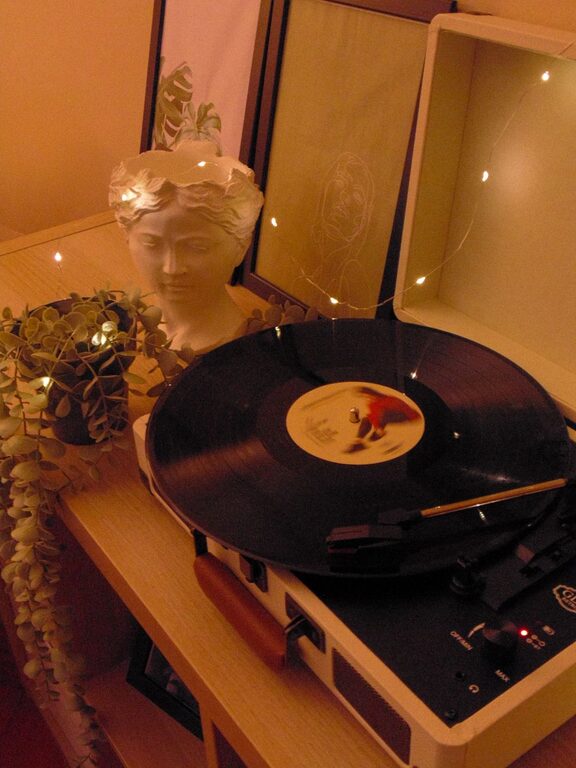
How to Create a Relaxing Playlist for Evenings
Why Create an Evening Playlist?
The right music can help set the tone for the end of your day. After hours of work, errands, screens, and responsibilities, a calming playlist can make your evening feel more intentional and comfortable.
An evening playlist is more than a collection of slow songs. It should match the mood you want to create, whether that means preparing dinner, reading a book, enjoying a quiet hobby, or simply getting ready for bed. With a little planning, you can create a playlist that feels natural, soothing, and easy to enjoy.
Start With the Mood
Before choosing songs, decide how you want to feel while listening. “Relaxing” can mean different things to different people. You may prefer soft and peaceful music, warm acoustic songs, gentle instrumental tracks, or mellow pieces with a light rhythm.
Consider choosing one main mood, such as:
– Calm and quiet
– Warm and cozy
– Reflective and thoughtful
– Light and cheerful
– Dreamy and atmospheric
– Comfortable and familiar
Choosing a clear mood helps your playlist feel connected from beginning to end. If you want more variety, select a primary mood and add a few complementary styles rather than mixing everything together.
For example, a cozy evening playlist might include acoustic music, soft jazz, mellow soul, and gentle instrumental tracks. A reflective playlist might focus on piano, ambient sounds, and slower vocal songs.
Choose a Comfortable Tempo
Tempo, or the speed of a song, strongly affects the energy of a playlist. For a relaxing evening, start with songs that feel unhurried. Very fast or intense tracks can make it harder to settle down, especially if you are trying to transition from a busy day.
You do not need to choose only very slow songs. A playlist made entirely of slow music may begin to feel flat. Instead, create a gentle flow by combining:
– Slow songs for a peaceful atmosphere
– Medium-tempo songs that add movement
– Soft instrumental tracks for quiet moments
– A few slightly brighter songs to keep the playlist from feeling heavy
Pay attention to how one song leads into the next. If a lively track is followed by an extremely quiet piece, the change may feel sudden. A smoother transition usually comes from placing songs with similar energy beside one another.
Select Music You Already Enjoy
Relaxation is personal. A song that calms one person may distract another, so do not rely only on traditional “relaxing music.” Your favorite music may work better if it makes you feel safe, comfortable, or pleasantly nostalgic.
Think about songs that:
– Help you slow down
– Bring back positive memories
– Have gentle vocals or instruments
– Feel familiar without becoming distracting
– Create a pleasant sense of space
– Make you want to breathe more slowly
Familiar songs can make a playlist feel welcoming, while new songs can add interest. A useful balance is to include mostly music you know, along with a few discoveries that fit the same mood.
Build a Simple Playlist Structure
A good playlist often feels like a journey. It can begin with a gradual transition from daytime energy, move into a comfortable middle section, and end with especially quiet or soothing music.
1. Begin With a Soft Transition
The first few songs should help you move from the day into the evening. Choose music that is calm but not necessarily the quietest. Gentle rhythms and familiar melodies work well here.
This section is ideal for activities such as changing clothes, preparing a meal, tidying the room, or making a warm drink.
2. Create a Relaxed Middle
The middle of the playlist can include the songs you most enjoy. This is where you can add a little variety while keeping the overall mood consistent.
Try alternating between vocal and instrumental tracks, or between different musical textures. For example, place a soft piano piece after a song with warm vocals. These small changes can keep the playlist interesting without making it feel restless.
3. End With Quieter Songs
As the evening continues, gradually lower the energy. Choose slower pieces, simple arrangements, and songs with gentle endings.
If you plan to read, meditate, or prepare for sleep, the final part of the playlist should be less demanding. Instrumental music, nature sounds, or songs with minimal lyrics may be helpful because they are less likely to pull your attention away.
Keep the Length Practical
The best playlist length depends on how you spend your evenings. A short playlist of 30 to 45 minutes may be enough for dinner or a relaxing break. If you want music to continue through several activities, create a playlist that lasts two to three hours.
A longer playlist helps prevent repetition, but it does not need to contain hundreds of songs. Start with 20 to 30 tracks and listen to the playlist from beginning to end. You can add more songs later if you notice gaps or repeated patterns.
Avoid adding songs just to make the playlist longer. Every track should support the mood or create a smooth transition.
Use Variety Without Losing Calm
A relaxing playlist does not have to sound the same throughout. Too much repetition can become dull, but too much variety can make the playlist feel disorganized.
You can add interest by varying:
– Instruments
– Vocal styles
– Song length
– Musical genres
– Energy levels
– Recording textures
Keep the changes gradual. A soft folk song may lead naturally into mellow jazz, while a gentle electronic track may pair well with ambient music. Listen for shared qualities such as a relaxed tempo, smooth production, or a warm tone.
Consider the Listening Environment
Your playlist will feel different depending on where and how you listen. A song that works well through headphones may sound too quiet in a living room. If you use speakers, arrange them so the sound fills the space without becoming overwhelming.
You may also want to consider background noise. If you live in a busy area, music with a steady, gentle texture can help soften outside sounds. If your home is already quiet, songs with delicate details may be more enjoyable.
Keep the volume at a comfortable level. Evening music should support the atmosphere rather than dominate it.
Test and Refine Your Playlist
Once your playlist is assembled, listen to it during a real evening. Notice how the music affects your mood and whether any track feels out of place.
Ask yourself:
– Does the playlist begin gently?
– Are there any sudden changes in volume or energy?
– Do the songs match the activities I usually do?
– Is the playlist too repetitive?
– Does the ending feel peaceful?
– Are any songs distracting or emotionally too intense?
Remove songs that interrupt the mood, even if you enjoy them on their own. You can always save them to another playlist.
It is also useful to update your evening playlist occasionally. Add new discoveries, remove songs that no longer fit, and adjust the order as your routines change.
Make It Personal
The most relaxing playlist is one that reflects your preferences. You do not need to follow a strict formula or use a particular genre. Focus on music that helps you feel comfortable and present.
You might create different playlists for different types of evenings:
– Cooking and conversation
– Reading and quiet hobbies
– Weekend relaxation
– Rainy evenings
– Unwinding after a busy day
– Preparing for sleep
With a thoughtful sequence, comfortable volume, and music you genuinely enjoy, your playlist can become a simple evening ritual. Over time, pressing play can signal that the day is slowing down and it is time to enjoy a calmer pace.
