
Simple, Low-Cost Self-Care Ideas to Try at Home
Self-care does not have to mean expensive products, spa appointments, or a packed schedule. Often, the most helpful habits are simple ways to slow down, meet your basic needs, and make your home feel more comfortable.
Low-cost self-care can support your everyday well-being without putting pressure on your budget. Whether you have five minutes or a whole afternoon, these ideas can help you create small moments of rest and enjoyment at home.
Start With the Basics
Before planning a complicated self-care routine, check in with your everyday needs. Simple care can make a noticeable difference in how your day feels.
Drink Water and Prepare a Simple Snack
Keep a glass or bottle of water nearby and make an easy snack when you feel your energy dropping. Try options such as:
– Fresh fruit
– Toast with peanut butter
– Yogurt
– Popcorn
– Crackers and cheese
– Cut vegetables with a simple dip
Taking a few minutes to eat and drink can be a practical way to care for yourself, especially during a busy day.
Create a More Comfortable Space
You do not need to redecorate your home to make it feel more relaxing. Tidy one small area, adjust the lighting, or gather a few comforting items in one place.
A comfortable space might include a blanket, a favorite book, a candle, or a mug for tea. Even clearing a chair or a corner of a table can make your surroundings feel calmer.
Try Free or Low-Cost Relaxation Activities
Relaxation can be as simple as giving your attention to one quiet activity. The goal is not to do it perfectly. Instead, choose something that helps you pause.
Take a Warm Shower or Bath
A warm shower can create a clear break between activities, especially at the end of the day. Make it feel more intentional by using a favorite soap, playing quiet music, or dimming the lights.
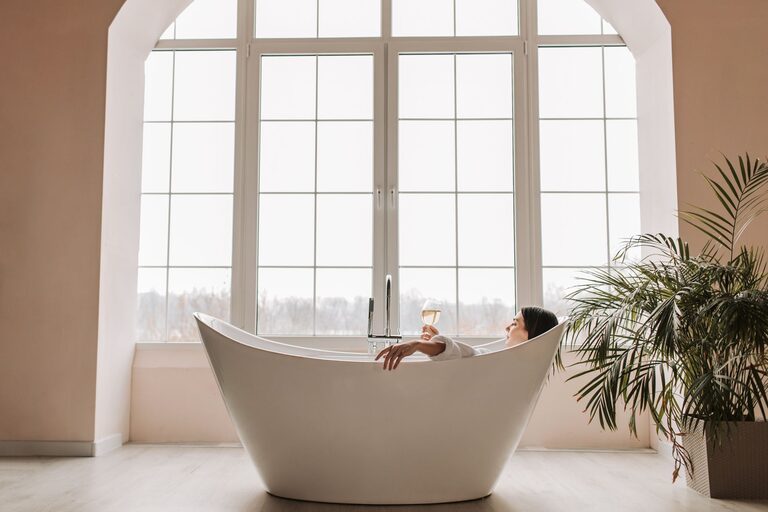
If you prefer a bath, add a book, a clean towel, or a cup of tea nearby. Keep the routine simple and focus on enjoying a few unhurried minutes.
Practice Slow Breathing
Set a timer for two to five minutes and sit comfortably. Breathe slowly and pay attention to the movement of your breath. If your thoughts wander, gently bring your attention back.
You can do this while sitting in a chair, lying on the floor, or waiting for water to boil. This short pause may help you feel more settled before returning to your next task.
Listen to Music or a Podcast
Create a short listening routine with music, an audiobook, or a free podcast. Choose something that matches the mood you want, such as peaceful, cheerful, or motivating.
You can listen while stretching, folding laundry, cooking, or simply sitting with your eyes closed. Combining listening with a routine task can make ordinary moments more enjoyable.
Make Time for Creative Self-Care
Creative activities can provide a break from screens and daily responsibilities. You do not need special skills or expensive supplies to get started.
Try Journaling
Use a notebook, a notes app, or a few sheets of recycled paper. Write without worrying about grammar or structure. You might begin with prompts such as:
– What has been on my mind today?
– What is one thing I handled well?
– What would make tomorrow a little easier?
– What am I looking forward to?
– What is something I want to remember?
You can also keep a simple list of things you enjoy, ideas you want to explore, or tasks you would like to complete later. A few lines are enough.
Cook or Bake Something Simple
Preparing food can be a satisfying way to focus on the present. Choose a familiar recipe or experiment with ingredients you already have.
Try making homemade soup, roasted vegetables, pancakes, or a simple pasta dish. If you have children, roommates, or family members at home, invite them to help. The shared activity can be just as enjoyable as the meal.
Enjoy a Small Art Project
Draw, color, make a collage, rearrange photos, or try a basic craft. Use supplies you already own, such as old magazines, cardboard, pens, or leftover fabric.
The result does not need to be useful or attractive. Treat the activity as time to play, explore, and focus on something outside your usual routine.
Add Gentle Movement
Movement does not have to be intense or time-consuming. The aim is to reconnect with your body and break up long periods of sitting.
Stretch for a Few Minutes
Try gentle stretches for your neck, shoulders, back, hands, and legs. Move slowly and stay within a comfortable range. You can stretch after waking up, during a work break, or before getting ready for bed.
A short routine might include reaching your arms overhead, rolling your shoulders, stretching your calves, and gently turning your torso from side to side.
Walk Around Your Home
Walk through your home for a few minutes while listening to music or simply noticing your surroundings. If you have access to a safe outdoor area, step outside for fresh air and a change of scenery.
You can make the walk more engaging by observing the weather, noticing plants, or taking a different route around your neighborhood.
Build a Calmer Evening Routine
An evening routine can help you create a clear transition from the day to your personal time. Keep it realistic rather than trying to change everything at once.
Consider these low-cost ideas:
– Put away items in one small area
– Lower bright lights
– Make a warm, nonalcoholic drink
– Read a few pages of a book
– Write down tomorrow’s top tasks
– Play quiet background music
– Put your phone away for a short period
Choose one or two habits to begin with. A simple routine that you repeat is often easier to maintain than a long list of activities.
Practice Screen-Free Self-Care
Screens can be useful, but constant notifications and scrolling may leave little room for rest. Try taking a short break without making it a strict rule.
Place your phone in another room for 15 minutes, turn off nonessential notifications, or choose one screen-free activity. You might fold clothes, organize a drawer, look through printed photos, or sit near a window.
If a full break feels difficult, start with five minutes. Small changes can still give your attention a chance to reset.
Make Self-Care Fit Your Life
The best self-care routine is one you can enjoy and repeat. Your needs may change from day to day, so avoid treating self-care as another task you must complete perfectly.
Make a short list of options for different situations:
– Five minutes: Drink water, stretch, breathe slowly, or step outside.
– Thirty minutes: Take a bath, prepare a snack, journal, or listen to music.
– One hour: Cook a meal, work on a creative project, read, or tidy a comfortable space.
Self-care can be quiet or social, planned or spontaneous, active or restful. Start with one affordable idea that feels appealing today, then build from there. Small, regular moments of care can help make home feel like a place where you can pause, recharge, and enjoy your time.
