
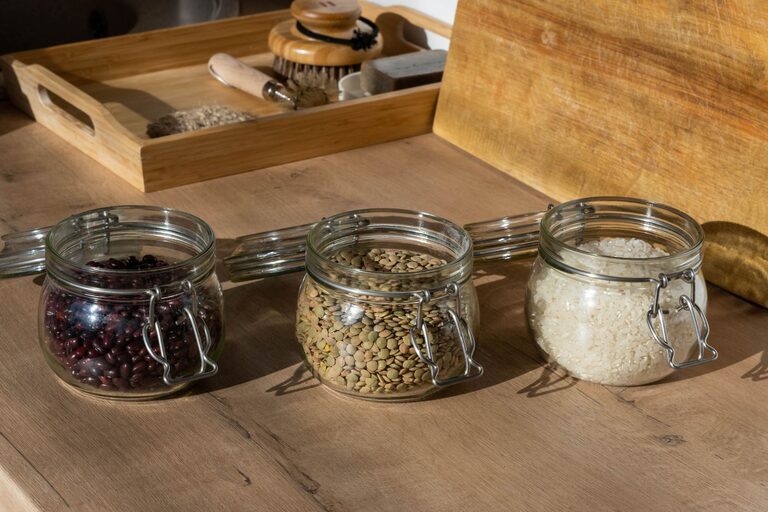
How to Plan Easy Meals from Pantry Staples
Planning meals from pantry staples can make cooking easier, more affordable, and less stressful. Instead of starting with a recipe every day, you can begin with what you already have and build simple meals around it.
A well-planned pantry does not need to be large. A few dependable ingredients, combined with fresh or frozen foods, can become soups, pasta dishes, grain bowls, casseroles, and quick skillet meals. The key is to organize your ingredients, understand how they work together, and plan meals that share components.
Start with a Pantry Inventory
Before planning your meals, take a few minutes to see what you have. Check the pantry, refrigerator, freezer, and any storage areas where food may be kept.
Group items into useful categories:
– Grains such as rice, pasta, oats, couscous, and breadcrumbs
– Canned foods such as beans, tomatoes, corn, and tuna
– Dried foods such as lentils, split peas, and dried fruit
– Cooking basics such as oil, vinegar, flour, and broth
– Flavor builders such as spices, herbs, soy sauce, mustard, and salsa
– Freezer items such as vegetables, bread, cooked meat, and fruit
– Fresh foods that need to be used soon
Write down foods that should be used first. This may include an open container, vegetables that are starting to soften, or a package with a short best-by date. Planning around these items helps reduce waste and gives your meals a clear starting point.
Build Meals Around a Simple Formula
A flexible meal formula makes it easier to combine ingredients without following a detailed recipe. Try building meals with three or four parts:
- A base, such as rice, pasta, potatoes, bread, or tortillas
- A main ingredient, such as beans, lentils, eggs, canned fish, chicken, or tofu
- Vegetables, either fresh, frozen, or canned
- A sauce, seasoning blend, or topping for flavor
For example, rice, black beans, corn, and salsa can become a bowl. Pasta, canned tomatoes, white beans, and Italian seasoning can become a quick dinner. Potatoes, canned tuna, frozen peas, and a simple dressing can make a filling salad.
This formula is useful because it allows substitutions. If you do not have rice, use pasta or potatoes. If fresh vegetables are limited, use frozen vegetables or canned options. If a recipe calls for chickpeas, another bean may work just as well.
Choose a Few Pantry-Friendly Meal Types
Rather than planning seven completely different meals, choose a few meal types that use similar ingredients. This keeps your shopping list shorter and makes cooking more efficient.
Soups and Stews
Soups are ideal for using pantry staples. Start with broth, canned tomatoes, or water seasoned with herbs and spices. Add beans, lentils, grains, pasta, and vegetables.
A basic lentil soup might include lentils, carrots, onions, canned tomatoes, broth, and a few spices. A bean and corn soup can use canned beans, frozen corn, tomatoes, broth, and salsa.
Soups are also easy to freeze in individual portions. If you make a large batch, save some for a future meal instead of eating the same dish several days in a row.
Pasta and Grain Bowls
Pasta and grains can serve as a base for many combinations. Mix them with canned vegetables, beans, leftover meat, or frozen vegetables. Finish with a sauce, dressing, grated cheese, or toasted seeds.
For a simple pasta meal, combine noodles with canned tomatoes, garlic, olive oil, and beans. For a grain bowl, layer cooked rice with lentils, vegetables, and a sauce made from yogurt, lemon juice, or tahini.
Cooked grains can also be used in several meals throughout the week. Serve rice with beans one day, add it to soup another day, and use the rest for a fried rice-style skillet meal.
Casseroles and One-Pan Meals
Casseroles and skillet meals are useful when you have several small amounts of ingredients. Combine a starch, protein, vegetables, and a sauce in one dish.
Examples include pasta with tuna and peas, rice with beans and tomatoes, or potatoes with eggs and vegetables. Breadcrumbs, shredded cheese, or crushed crackers can add a crisp topping.
These meals are especially helpful for using leftovers. A small amount of cooked chicken or roasted vegetables may not be enough for a meal on its own but can work well in a casserole.
Wraps, Toasts, and Quick Bowls
For fast lunches or dinners, use bread, tortillas, crackers, or cooked grains as a base. Add a spread and a filling.
Try mashed beans with salsa in a tortilla, canned tuna with mustard on toast, or hummus with vegetables in a pita. Peanut butter and oats can make a quick breakfast, while canned fruit and yogurt can become a simple snack or dessert.
Plan Ingredients That Can Be Reused
When creating a weekly meal plan, choose ingredients that can appear in more than one meal. This makes food preparation easier and helps prevent unused leftovers.
For example, you might plan:
– Rice and beans on Monday
– Vegetable soup with rice on Tuesday
– Rice bowls with eggs and frozen vegetables on Wednesday
– Burritos using leftover rice and beans on Thursday
You can also prepare one or two ingredients in advance. Cook a pot of rice, wash vegetables, make a simple sauce, or prepare a batch of beans. Store each item separately so it can be used in different meals.
Avoid preparing more food than you can safely store and use. Label containers with the date and keep older items toward the front of the refrigerator.
Keep Flavor Interesting
Pantry meals do not have to taste the same. Small changes in seasoning can transform familiar ingredients.
Use different flavor combinations throughout the week:
– Italian style: tomatoes, garlic, basil, oregano, and Parmesan
– Mexican inspired: beans, corn, salsa, cumin, chili powder, and lime
– Mediterranean style: chickpeas, olives, lemon, herbs, and yogurt
– Asian inspired: rice, soy sauce, ginger, sesame oil, and frozen vegetables
– Comfort food style: potatoes, broth, cheese, mustard, and black pepper
A few finishing touches can also make a basic meal feel complete. Try hot sauce, chopped herbs, toasted nuts, pickles, lemon juice, or a spoonful of yogurt.
Create a Flexible Weekly Plan
A meal plan does not need to assign a specific dish to every day. Instead, plan a few main meals and leave space for leftovers, simple meals, or changes in schedule.
A flexible plan might include:
– Two meals that make enough for leftovers
– One soup or stew
– One pasta or grain-based meal
– One quick meal using eggs, canned fish, or beans
– One leftover night
– One meal made from ingredients that need to be used soon
Check your schedule before choosing meals. Plan quick options for busy days and save longer cooking projects for days when you have more time.
Shop Only for What Complements Your Pantry
After planning, make a short shopping list for missing ingredients. Focus on fresh foods that add variety and nutrition, such as vegetables, fruit, eggs, dairy, or herbs.
Buy only what supports the meals you intend to make. If you already have several grains and canned foods, you may only need fresh produce and one or two protein options.
Finally, review your pantry regularly. Remove empty packages, group similar foods together, and place older items where they are easy to see. With a simple inventory and a flexible plan, pantry staples can provide the foundation for many satisfying meals.
