
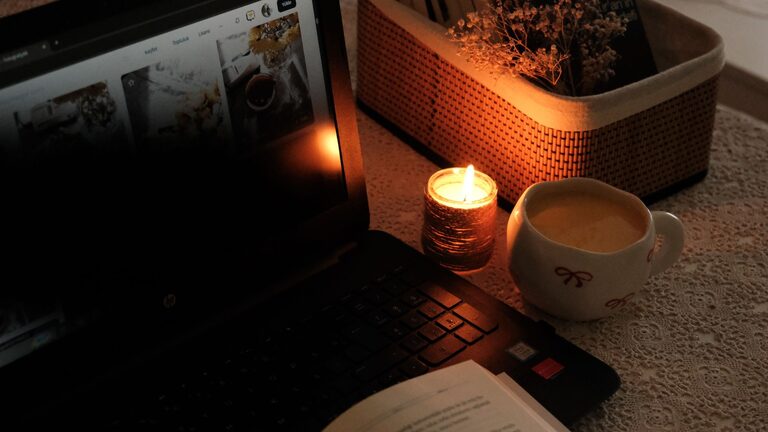
How to Plan a Screen-Light Evening
A screen-light evening is a simple way to spend more intentional time away from phones, tablets, computers, and television. It does not require giving up technology completely or following a strict schedule. Instead, the goal is to reduce unnecessary screen use and make room for activities that help you relax, connect, or prepare for the next day.
The best screen-light routine is realistic. You can begin with one hour before bed, choose a few evenings each week, or set aside only part of the evening for screen-free activities. With a little preparation, spending less time on screens can feel natural rather than restrictive.
Decide What “Screen-Light” Means for You
Before planning your evening, define what you want to change. A screen-light evening might include:
– No social media after dinner
– Turning off television and streaming services at a set time
– Checking messages only once in the evening
– Keeping phones away during meals
– Using screens only for essential tasks
– Replacing entertainment screens with another activity
Your plan does not have to be all or nothing. For some people, a screen-light evening means avoiding entertainment apps while still listening to music from a phone. For others, it means putting every device away for a few hours.
Choose a level that matches your schedule and needs. A flexible plan is more likely to become a regular habit.
Set a Start and End Time
A clear time frame makes the plan easier to follow. Choose when your screen-light period will begin and when it will end. For example, you might start at 7:30 p.m. and finish at bedtime, or set aside the first two hours after work.
If you are new to the idea, start with a shorter period. Even 30 minutes without optional screen use can help you create a pause in your evening. Once that feels comfortable, gradually extend the time.
Consider using a simple reminder, such as an alarm or calendar notification, to signal the beginning of your screen-light period. After the reminder, complete any essential digital tasks and put your devices in their designated place.
Complete Necessary Screen Tasks First
Many people continue using screens because they are worried about missing an important message or unfinished task. Reduce this concern by handling essential tasks before your screen-light period begins.
You might:
– Reply to urgent messages
– Check tomorrow’s calendar
– Set an alarm
– Review travel details
– Finish a necessary work task
– Charge devices outside the bedroom
After that, silence nonessential notifications. If you need to remain reachable, allow calls from specific contacts or keep one device nearby without opening unrelated apps.
This approach creates a clear difference between necessary screen use and optional scrolling.
Prepare Your Environment
Your surroundings can make a screen-light evening easier. If your television, tablet, or phone is always within reach, using it may become automatic. A few small changes can reduce that temptation.
Place your phone in a basket, drawer, or charging station. Keep books, puzzles, notebooks, or craft supplies where you can easily see them. If you normally watch television while eating, try having meals at a table without a screen.
You can also make the room feel more inviting by adjusting the lighting, tidying a small area, or preparing a comfortable chair. A pleasant space gives you a natural place to settle into a non-screen activity.
Choose Activities Before the Evening Begins
It is easier to avoid screens when you already know what you want to do. Make a short list of activities that suit your energy level and available time.
Relaxing Activities
For a quiet evening, consider:
– Reading a printed book or magazine
– Listening to music or an audio recording
– Practicing gentle stretching
– Taking a warm shower or bath
– Writing in a journal
– Doing a simple breathing exercise
– Preparing tea or another favorite drink
These activities can help create a slower transition between the busy parts of the day and bedtime.
Creative Activities
Creative projects can make time away from screens feel engaging. Try drawing, coloring, knitting, woodworking, cooking, baking, or arranging flowers. You do not need to complete a large project. A small, manageable activity is often enough.
Keep supplies organized and easy to access. If you have to search for everything before starting, you may be more likely to return to your phone.
Social Activities
A screen-light evening can also be a chance to connect with other people. Invite a family member or friend to join you for:
– A walk around the neighborhood
– A board game or card game
– A shared meal
– A conversation over coffee or tea
– A simple household project
– Planning an upcoming outing
If you live with others, agree on the screen-light plan together. Shared expectations can make it easier for everyone to participate.
Include Movement Without Making It a Workout
Movement can add structure to your evening without requiring a formal exercise session. Take a short walk, water plants, tidy one room, or do a few comfortable stretches.
The purpose is not to create another demanding task. Choose movement that feels appropriate for the time of day and your energy level. A brief activity can help separate work time from personal time and give your mind something different to focus on.
Plan for Common Obstacles
A screen-light evening may be difficult when you are tired, bored, or used to reaching for your phone automatically. Planning for these moments can help.
If boredom is a concern, prepare several backup activities. If you use your phone as a clock, place a regular clock nearby. If you often scroll in bed, charge your phone somewhere outside the bedroom or across the room.
You may also discover that some tasks are easier with a screen. In that case, adjust the plan rather than abandoning it. For example, listen to a downloaded audio program without browsing, or use a device for a specific recipe and then put it away.
The goal is to make thoughtful choices, not to follow an unrealistic rule perfectly.
Create a Simple Evening Sequence
A routine can make your plan feel automatic. One example might look like this:
- Finish essential messages and check the next day’s schedule.
- Put devices on silent and place them away.
- Prepare a meal or make a warm drink.
- Spend time on a hobby, conversation, or quiet activity.
- Take a short walk or complete gentle stretching.
- Read, journal, or prepare for bed.
- Check only essential information before turning in, if needed.
Use this as a starting point and change it to fit your lifestyle. The sequence matters less than creating a predictable transition away from optional screen use.
Review What Worked
After trying a screen-light evening, take a moment to consider how it felt. Ask yourself:
– Which activity did I enjoy most?
– When was it hardest to avoid screens?
– Did I feel more relaxed, connected, or focused?
– Was the time frame realistic?
– What small change would make the next evening easier?
Use your answers to improve the plan. You might shorten the screen-free period, prepare better activities, or choose a different starting time.
A screen-light evening is not about perfection. It is a practical way to create more space for rest, hobbies, conversation, and everyday experiences. Start with a manageable change, make your environment support it, and allow the routine to develop at its own pace.
